MoroccoPrices.com
Home/Cities/Rabat
Morocco · City Guide

Rabat

Morocco's Capital

Morocco's capital, combining historic landmarks, modern neighborhoods and coastal life.

MoroccoUpdated Aug 14, 2026
City guide

Getting to know Rabat

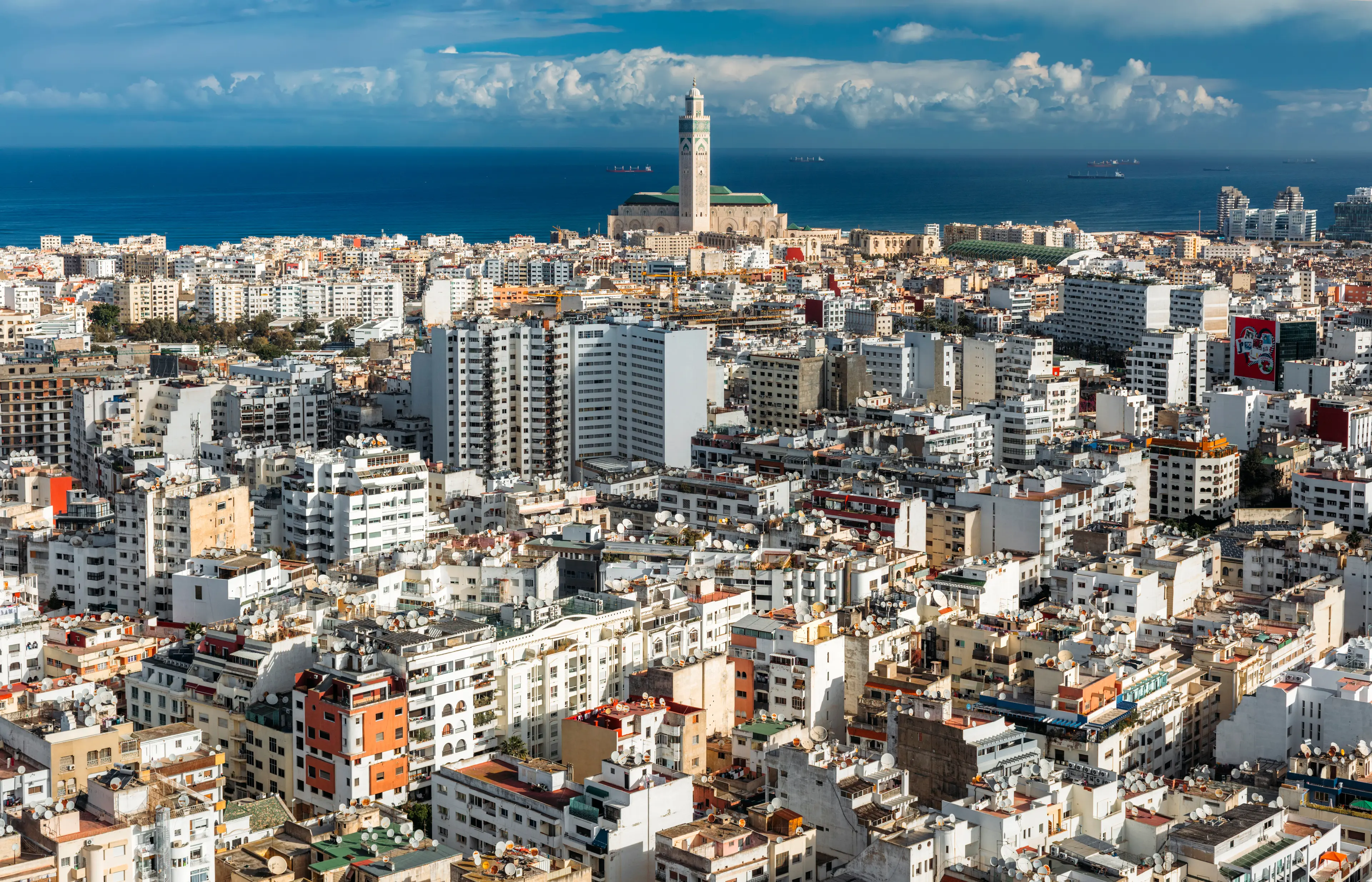
Rabat is Morocco's capital and combines historic monuments, a well-preserved medina, modern neighborhoods and a relaxed Atlantic coastline. The city offers a quieter alternative to some of Morocco's larger tourist destinations.

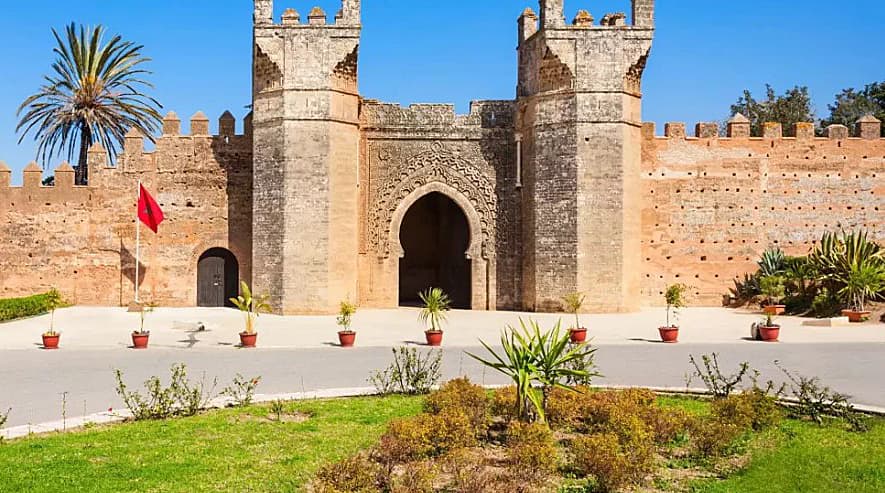
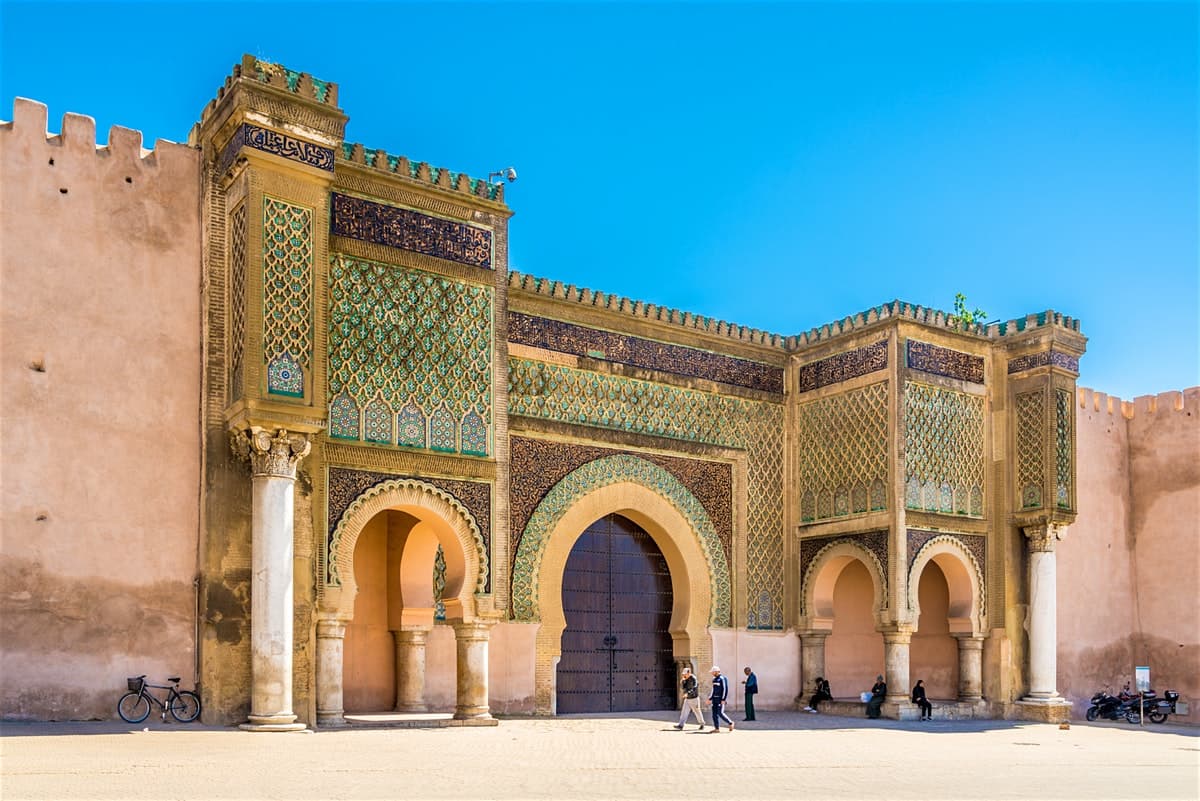
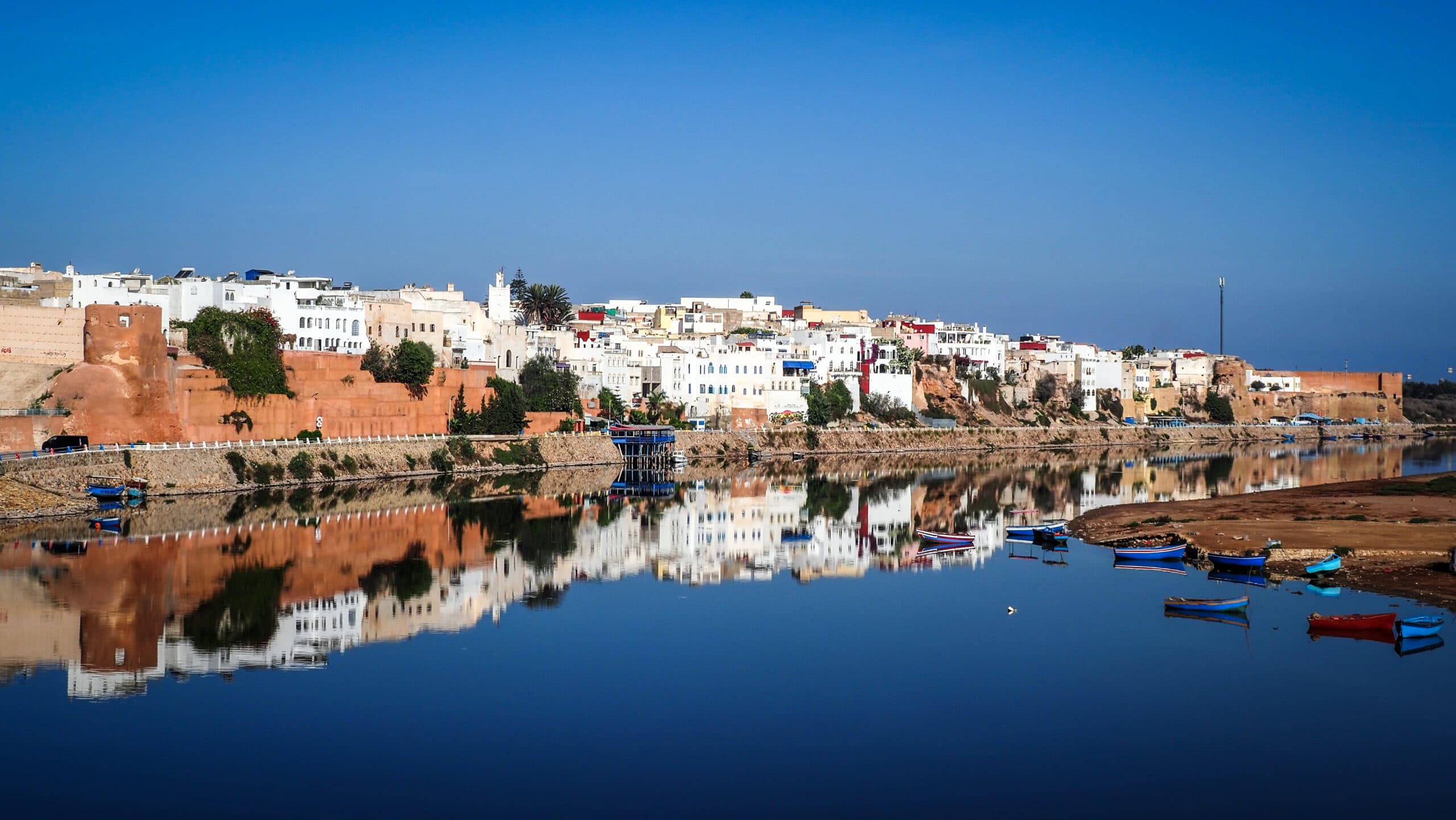
Morocco's capital combines a long political and cultural history with a calmer Atlantic-coast atmosphere. The city grew around the Bouregreg River and has played an important role in Morocco since the Almohad period, while later dynasties and the French Protectorate shaped much of its architecture and urban layout. Today, historic landmarks such as the Kasbah of the Udayas, Hassan Tower and Chellah sit alongside government districts, modern neighborhoods, gardens and the Atlantic waterfront. Its mix of historic sites, organized streets and relatively relaxed pace makes it a useful destination for travelers interested in Moroccan history and everyday city life.
Plan your visit

What to know before visiting

A few practical details to help you decide when to visit, where to stay and how to make the most of your time.

When to visit

Choose the right season

Spring and autumn are generally the most comfortable seasons for exploring historic sites, gardens and the waterfront. Temperatures are usually moderate enough for walking during the day, while the Atlantic influence keeps the city from becoming as hot as many inland destinations. Summer can be pleasant near the coast but may feel warmer inland, while winter is mild but can bring periods of rain.

Travel calendarTypical conditions
Jan
Feb
Mar
Apr
May
Jun
Jul
Aug
Sep
Oct
Nov
Dec
Recommended
Other months

Recommended

March, April, May, June, September, October, November

Recommended months based on typical travel conditions and experiences.

Getting around

Central areas and the main historic sights can be explored on foot, while the tram network provides a convenient way to travel between parts of Rabat and neighboring Salé. Petit taxis are useful for shorter journeys, and trains are a practical option for reaching other major Moroccan cities. Walking is particularly enjoyable around the medina, Kasbah of the Udayas and riverside areas.

Where to stay

Staying near the medina or Kasbah of the Udayas provides easy access to historic streets, markets, cafés and several major landmarks. The city center and Agdal area offer a wider selection of modern hotels, restaurants and everyday services. Travelers who prefer a quieter setting may also consider neighborhoods closer to the coast or Souissi, depending on their budget and plans.

How long to stay

Two to three days is enough to see the main historic landmarks, explore the medina, visit the Kasbah of the Udayas and spend time around the Bouregreg and Atlantic waterfronts. A longer stay allows more time for Chellah, museums, gardens and the neighboring city of Salé. Rabat also works well as part of a wider itinerary through Morocco's Atlantic and northern regions.

What affects prices

Why costs can change here

  • Prices usually vary with season, neighborhood and the type of service you choose.
  • Tourist-heavy areas often cost more than calmer local spots.
  • Comparing a few options before booking helps you avoid paying too much.
Arrival help

Helpful first-day tips for Rabat

  • Have a little cash ready for transport, food and smaller purchases.
  • Confirm transport costs before leaving the airport or starting a ride.
  • A local SIM or eSIM makes your first day smoother.
Explore

Things to see in Rabat

A few places and experiences worth knowing about.

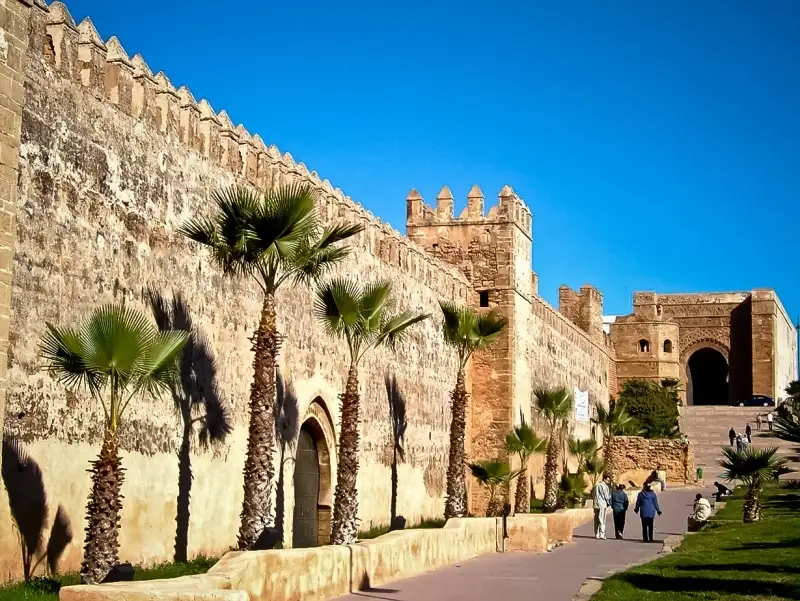
Kasbah of the Udayas

Kasbah of the Udayas

Historic fortified quarter overlooking the Bou Regreg River and Atlantic.

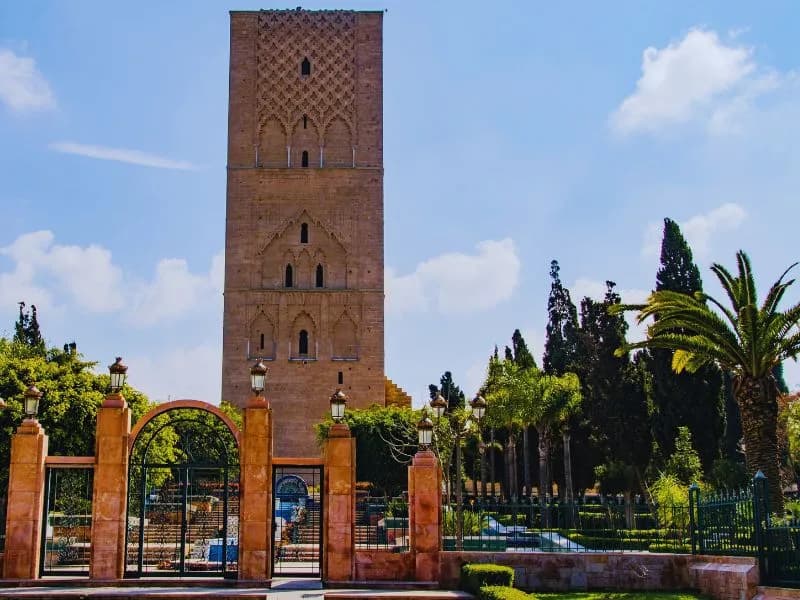
Hassan Tower

Hassan Tower

One of Rabat's most recognizable historic monuments.

Chellah

Chellah

Historic archaeological site surrounded by gardens.

Useful tips

Before spending in Rabat

The tram is useful for several major areas of Rabat and nearby Salé.

Rabat tends to feel less tourist-focused than Marrakech.

The medina is good for comparing local food and shopping prices.

Keep cash available for smaller local purchases.

Prices are typical estimates and may vary depending on season, quality, provider and other circumstances. Use them as a general reference rather than a guaranteed price.