
Morocco Daily Budget: How Much Does a Trip Cost Per Day?
Find out how much you may spend per day in Morocco, with realistic budgets for accommodation, food, transport, activities and everyday expenses.
Morocco can be genuinely affordable, but what you actually spend each day comes down to the kind of trip you're building. Someone staying in simple guesthouses and eating local food will spend a fraction of what a rider-and-riad traveler with private transfers and organized excursions spends.
There's no single daily number that fits everyone. Accommodation, which city you're in, how often you jump in taxis, where you eat, how many activities you book — all of it moves the total.
The simplest way to plan is with a range rather than one exact figure. Enough flexibility for normal price swings, still useful enough to actually plan around.
A realistic daily budget for Morocco
Excluding international flights, most travelers can plan on roughly 300–600 MAD per person per day for food, local transport, and small activities. Budget travelers land lower, and anyone leaning into nicer restaurants, private cars, or paid experiences goes higher.
Accommodation is worth budgeting separately, since it swings so much between hostels, hotels, and riads. Marrakech, Casablanca, and the coastal towns each have their own price logic depending on season and location.
Rather than hunting for one perfect number, start with your travel style and build the budget out from there based on the accommodation and activities you actually want.
Plan in ranges
A daily range beats a fixed number — it absorbs normal price differences and the odd unexpected expense without turning your budget into a spreadsheet headache.
Budget travel: what can you spend?
A budget trip is entirely doable — hostels or simple guesthouses, mostly local food, public transport or shared taxis when it makes sense.
Café breakfast, a local lunch, public transport, a cheap dinner — that combination keeps everyday spending low. Accommodation and activities move the needle far more than basic food and transport do.
If you're comfortable with simpler options, figure around 200–350 MAD a day excluding accommodation for a typical travel day.
- Local meals over tourist-oriented restaurants
- Buses, trains, or shared taxis where practical
- Free stops — medinas, markets, public squares
- Paid activities occasionally, not daily
Mid-range travel: a comfortable daily budget
Mid-range travel is the sweet spot for a lot of visitors — a mix of local and tourist-oriented restaurants, taxis when convenient, a handful of paid attractions along the way.
A reasonable planning figure is 350–600 MAD per person per day, not counting accommodation. Not a fixed price, just a workable range for food, transport, and the occasional activity.
Day to day it'll still swing — a walking day through the medina costs next to nothing, while a day of taxis, entrance fees, and a paid activity adds up fast.
Higher-end travel: where the budget climbs
Luxury travel in Morocco gets expensive fast once private transport, upscale restaurants, premium hotels, and organized experiences enter the picture.
Private airport transfers, private guides, high-end restaurants, exclusive desert trips — each one adds a real chunk to a day's cost. At this level, accommodation and activities dwarf the effect of everyday spending.
There's no real ceiling to put on a luxury daily budget. Better to price the specific hotel, transport, and experiences you actually want and build the number around those.
How much should you budget for food?
Food is where Morocco gives you the most room to move — cheap local meals, casual restaurants, or full tourist-restaurant pricing, all available depending on where you sit down.
A simple meal stays cheap; the same dish in a popular tourist restaurant can run several times more. Street food, bakeries, cafés, and small local spots are your best tool for keeping the daily total down.
If food matters to you, leave some slack in the budget rather than assigning an identical amount to every day.
- Simple meal: roughly 50–100 MAD depending on where you eat
- Budget more for restaurants in popular tourist areas
- Cafés, bakeries, and snacks are cheap ways to fill gaps
- Ask the price before ordering anything sold by weight or unmarked
How much should you budget for taxis and transport?
Transport costs track your accommodation location and how you like to move. Walk and use public transport and daily spending stays low; ride taxis often and it climbs quickly.
Petit taxis handle shorter in-city trips. For longer distances, grand taxis and trains take over. What you pay depends on city, route, and mode.
Expecting to taxi around several times a day? Build that into your daily budget upfront instead of treating each ride as a surprise expense.
Activities can move your budget fast
A day of wandering a medina and eating local food costs almost nothing. Activities are where the spending jumps.
Desert trips, camel rides, quad biking, cooking classes, guided tours — prices vary a lot by provider, location, and what's actually included.
When you're comparing activities, look past the headline price. Transport, meals, entrance fees, equipment, and guides may or may not be part of the deal.
Check what's included
Two activities at different prices aren't always comparable. Check duration, transport, meals, and inclusions before deciding which one's actually cheaper.
Accommodation is usually the biggest swing factor
For most travelers, where you sleep affects the total trip cost far more than a few extra dirhams on food or taxis.
Hostels and simple guesthouses keep costs low; riads, hotels, and higher-end properties take a much bigger bite. Location and season shift the number too.
Worth budgeting accommodation separately from everyday spending — makes comparing travel styles much easier.
What about Marrakech, Casablanca, Agadir and other cities?
Prices aren't the same across the country. Popular tourist areas tend to run higher, while smaller cities and neighborhoods off the main tourist track stay closer to local pricing.
Marrakech in particular can swing a lot — the same meal, room, or activity priced very differently depending on which part of the city you're in. Casablanca runs its own cost structure, and coastal towns like Agadir and Essaouira shift with the season too.
Rather than applying one national number everywhere, use the general range as a starting point and check actual prices for the specific city you're visiting.
How much cash should you carry each day?
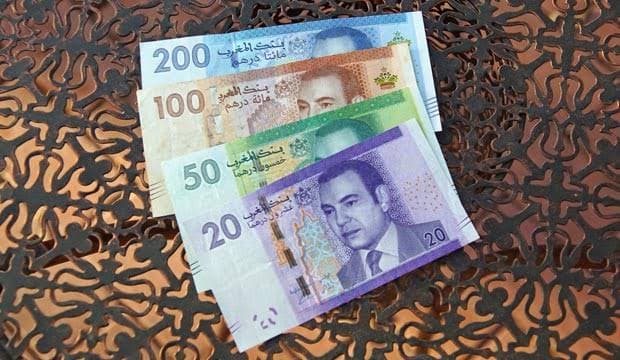
You don't need your whole daily budget in cash. Carrying enough dirhams for taxis, markets, and small restaurants covers most everyday needs.
Cards work at many hotels, restaurants, and bigger businesses, but cash is still what gets you through smaller purchases and places without card readers.
Keep some smaller notes and coins on hand too — a big banknote makes small purchases and taxi fares more awkward than they need to be.
A simple way to build your Morocco travel budget
Start with what you expect to spend on accommodation each night. Then estimate typical food and transport costs, and add whatever activities you already know you want.
Tack on a small buffer for the days that go over — an extra taxi, a nicer dinner, an activity you hadn't planned on.
This gets you further than trying to predict every single purchase in advance. You're after a realistic range, not a line-item forecast.
- Pick your accommodation level first
- Estimate your normal daily food spending
- Add a realistic transport allowance
- List the activities you already want to do
- Keep extra room for spontaneous spending
What makes a Morocco trip more expensive?
A few small habits push daily spending up without you noticing: taxis for every short walk, eating only in tourist areas, booking activities last-minute, defaulting to private transport.
None of that is inherently bad — it just needs to be in the budget. The trouble starts when you plan for a budget trip but keep making choices from a much pricier one.
Knowing where the money's actually going makes it a lot easier to decide which upgrades are worth paying for.
How to stay within budget
Check prices before committing to anything big — transport, tours, activities, shopping. Simple habit, saves real money.
Balance out an expensive day with a cheap one. A walking day through the city costs next to nothing, which buys you room for a paid excursion or a nicer dinner elsewhere.
And don't feel obligated to pick the cheapest option every time. A good travel budget leaves room to actually enjoy the trip instead of stressing over every purchase.
Travel tip
Treat daily budgets as a planning range, not a promise. Prices shift by city, season, and travel style, so leave yourself some room instead of planning to the last dirham.
So, how much should you actually budget?
Think in terms of your travel style rather than one universal number. Budget travelers can keep daily spending low; mid-range travelers should figure a few hundred dirhams a day for food, transport, and activities on top of accommodation.
What matters most is knowing what actually drives your spending. Accommodation, activities, and private transport move the total far more than everyday purchases do. Once that's clear, building a realistic Morocco budget stops feeling like guesswork.
Found this useful?
Share it with someone planning a trip to Morocco.